Is Natural Horn Sustainable? Ethics, Sourcing and the CITES Convention
When people encounter natural horn objects for the first time, one of the first questions they ask is whether the material is ethical. It is a legitimate question — and one that deserves a direct, detailed answer rather than a reassuring phrase. This article explains exactly where our horn comes from, how it is regulated, and why we believe natural horn is one of the most genuinely sustainable luxury materials available.
Where does natural horn come from?
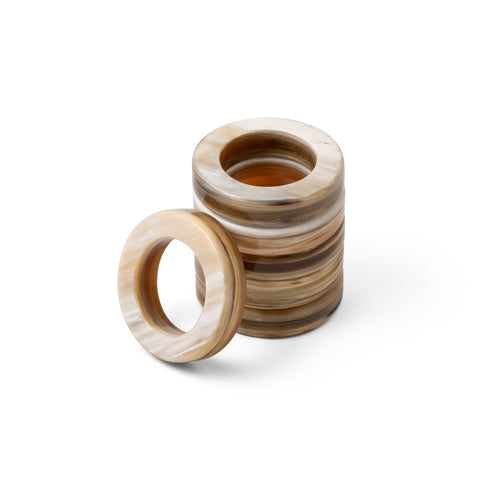
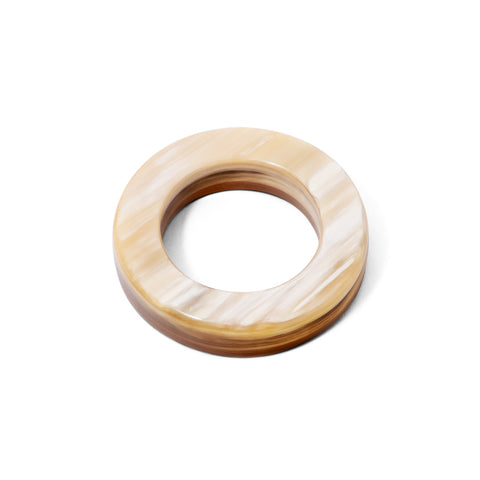
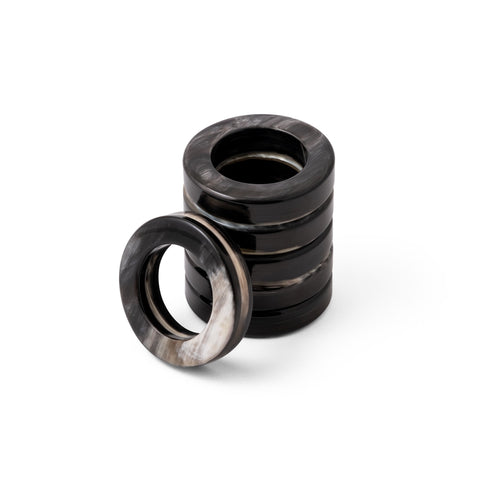
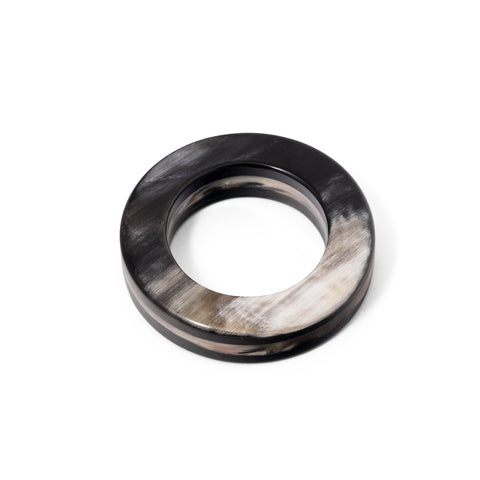
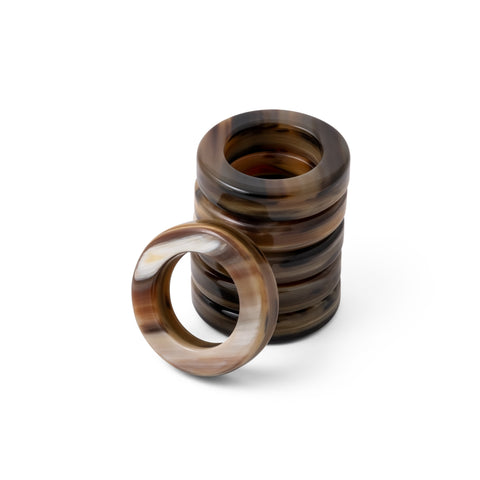
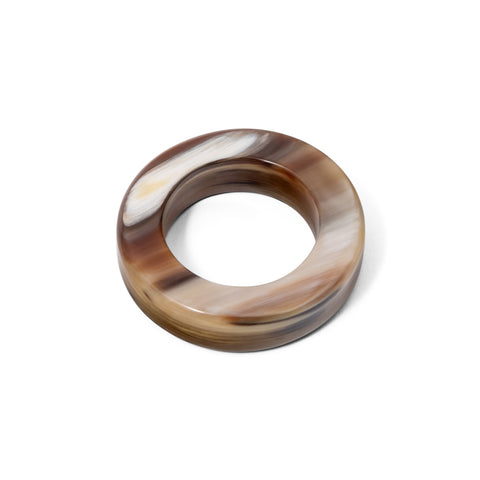
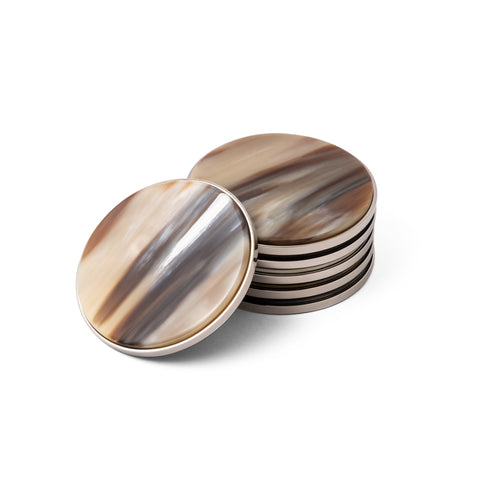
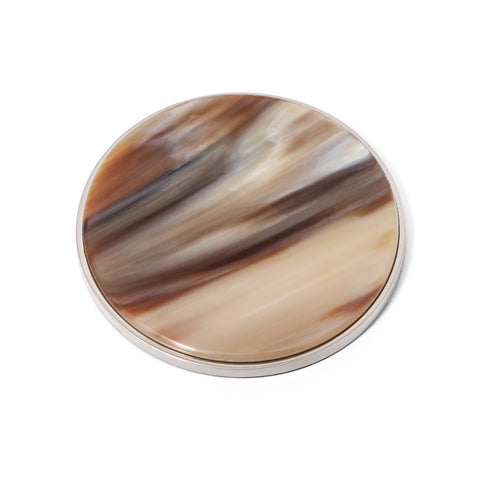
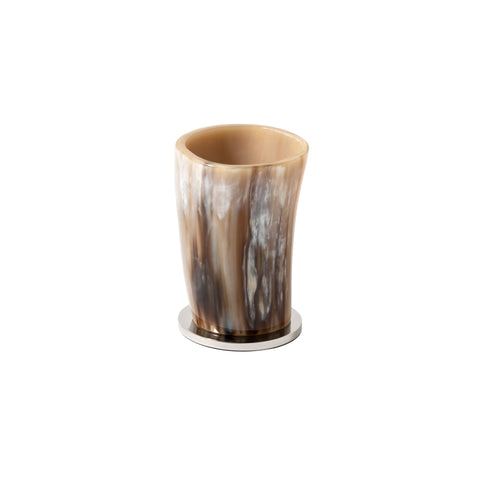
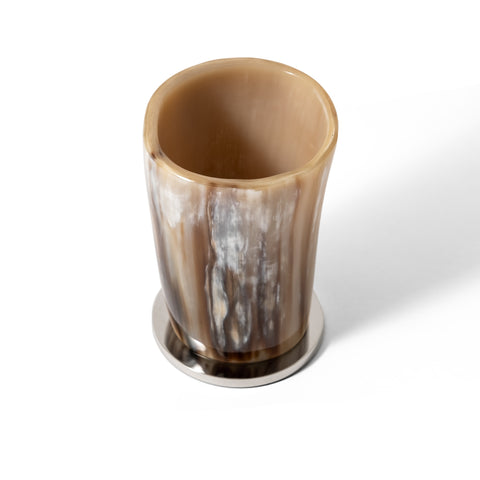
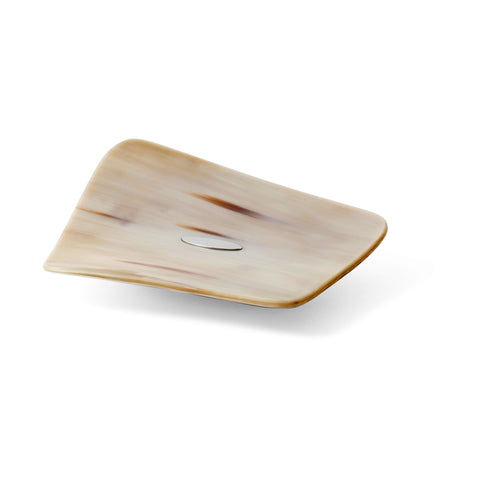
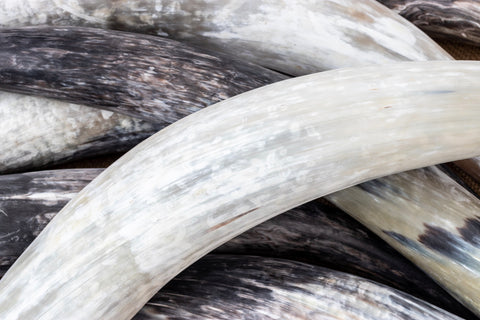
The horn used in luxury craftsmanship comes from buffalo and ox — two of the most widely farmed animal species in the world, raised primarily for meat and dairy production across Africa and the Indian subcontinent. These animals are not sourced, raised, or harmed specifically for their horn. The horn is collected after the animal has completed its natural productive life cycle, as a byproduct of the food industry.
In practical terms, this means that the raw material we work with at Zanchi 1952 would otherwise be discarded as agricultural waste. By selecting, importing, and transforming it into finished objects, we are giving a second life to a material that already exists — not creating demand for a new one.
Is natural horn covered by CITES?
CITES — the Washington Convention on International Trade in Endangered Species of Wild Fauna and Flora — is the international treaty that governs the trade of animal and plant-derived materials globally. Its purpose is to ensure that international trade does not threaten the survival of wild species.
The species whose horn we use — buffalo (Bubalus bubalis) and ox — are not listed as endangered or threatened under CITES. They are domesticated species with stable, large populations. Their horn can be traded internationally without restriction under the Convention.
All horn imported by Zanchi 1952 is accompanied by the documentation required under applicable Italian and European legislation governing the import of animal-derived materials. We maintain full traceability of our supply chain from source to finished object.
What about endangered species?
It is important to distinguish between the horn we use and materials that are genuinely prohibited under international law. Rhinoceros horn — the most commonly cited example — is strictly prohibited under CITES and has been for decades. The trade, possession, and use of rhinoceros horn is illegal in most countries worldwide.
Zanchi 1952 has never used rhinoceros horn or any other material from an endangered or protected species. Our production is based exclusively on buffalo and ox horn — species that are domesticated, widely farmed, and explicitly outside the scope of CITES trade restrictions.
Is natural horn better than synthetic alternatives?
From a sustainability perspective, natural horn compares favourably with the synthetic materials commonly used as alternatives. Resins, plastics, and composite materials designed to imitate horn are petroleum-derived products — non-renewable, non-biodegradable, and energy-intensive to produce.
Natural horn, by contrast, is a biological material that biodegrades naturally at the end of its life. In our workshop in Bozzolo, horn processing waste — offcuts, dust, and rejected material — is returned to the soil as natural fertilizer. Nothing is sent to landfill.
The carbon footprint of horn craftsmanship is also low by the standards of luxury manufacturing. Our production is entirely manual — no heavy machinery, no automated production lines, no energy-intensive industrial processes. The primary inputs are skilled human labour and time.
Transparency as a standard
We are aware that claims of sustainability in the luxury sector are often vague or unverifiable. We have tried in this article to be specific: the species we use, the regulatory framework that governs their trade, the byproduct nature of the raw material, and the waste practices of our workshop.
If you have questions that this article does not answer, we invite you to contact us directly. We are a small family business in its fourth generation — there is no communications department between you and the people who actually make the objects. We will answer your question ourselves.
For more on our materials and sourcing approach, visit our Materials page. To explore our full collection, visit the shop.